Learn English step by step! Aprende inglés desde cero de una manera fácil, divertida y práctica.
Blog educativo o de enseñanza de idiomas (Language Learning Blog).
Público objetivo
Personas que no tienen conocimientos de inglés y desean aprender desde lo más básico.
Objetivo
Enseñar las bases del inglés para que los estudiantes puedan comprender expresiones sencillas, presentarse y comunicarse en situaciones cotidianas.
LECCION 1: Saludos y Presentaciones (GREETINGS & INTRODUCTIONS)
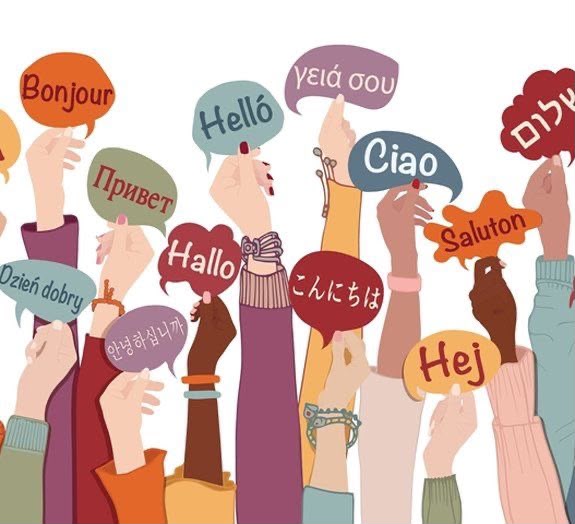
Saludos y Despedidas
- Hello / Hi – Hola
- Good morning – Buenos días (mañana)
- Good afternoon – Buenas tardes (mediodía/tarde)
- Good evening – Buenas noches (saludo)
- Good night – Buenas noches (despedida)
- Goodbye / Bye – Adiós
- See you later – Nos vemos luego
Presentarse
- What is your name? – ¿Cómo te llamas?
- My name is [Tu Nombre]. – Mi nombre es [Tu Nombre].
- Nice to meet you. – Gusto en conocerte.
- How are you? – ¿Cómo estás?
- I’m fine, thank you. – Estoy bien, gracias
Lección 2: Pronombres y verbo “To be”
El verbo To Be significa ser o estar. Es el verbo más importante para empezar a construir oraciones.
| PRONOMBRE | VERB “TO BE” | EJEMPLO |
| YO (I) | AM | I AM A STUDENT (YO SOY ESTUDIANTE) |
| TU (YOU) | ARE | YOU ARE SMART. (TU ERES INTELIGENTE) |
| EL (HE) | IS | HE IS AT HOME. (EL ESTA EN CASA) |
| ELLA (SHE) | IS | SHE IS HAPPY. (ELLA ES FELIZ) |
| ESO (IT) | IS | IT IS COLD. (ESTA FRIO) |
| NOSOTROS (WE) | ARE | WE ARE READY. (ESTAMOS LISTOS) |
| ELLOS(THEY) | ARE | THEY ARE FRIENDS. (ELLOS SON AMIGOS) |
Tip clave: En el inglés hablado casi siempre se usan contracciones: I’m, You’re, He’s, She’s, It’s, We’re, They’re.
LECCION 3: NUMEROS DEL 1 AL 10 Y EDAD
- One (Uno)
- Two (Dos)
- Three (Tres)
- Four (Cuatro)
- Five (Cinco)
- Six (Seis)
- Seven (Siete)
- Eight (Ocho)
- Nine (Nueve)
- Ten (Diez)
Para decir tu edad en inglés, no usas el verbo “tener”, sino el verbo To Be:
How old are you? – ¿Cuántos años tienes?
I am 25 years old. – Tengo 25 años.
LECCION 4: ARTICULOS (A, AN & THE)
- A (Un / Una) – Se usa antes de sonido de consonante: a book (un libro), a car (un auto).
- AN (Un / Una) – Se usa antes de sonido de vocal: an apple (una manzana), an hour (una hora).
- THE (El / La / Los / Las) – Se usa para cosas específicas: the house (la casa), the dogs (los perros).
LECCION 5:DEMOSTRATIVOS Y POSESIVOS
- This (Esto – cerca, singular): This is my key.
- That (Eso – lejos, singular): That is a car.
- These (Estos – cerca, plural): These are my shoes.
- Those (Esos – lejos, plural): Those are birds
- My – Mi / Mis (My name)
- Your – Tu / Tus (Your car)
- His – Su (de él) (His job)
- Her – Su (de ella) (Her house)
- Our – Nuestro/a (Our family)
- Their – Su (de ellos) (Their kids)
LECCION 6: PRESENTE SIMPLE (RUTINAS)
| SUJETO | REGLA + EJEMPLO |
| I/YOU/WE/THEY | VERBO NORMAL: I WORK EVERY DAY. (TRABAJO TODOS LOS DIAS) |
| HE/SHE/IT | AGREGAS -S: SHE WORKS EVERY DAY. (ELLA TRABAJA TODOS LOS DIAS) |
LECCION 7: NEGACIONES Y PREGUNTAS EN PRESENTE
- Negaciones (don’t / doesn’t):
- I don’t like coffee. (No me gusta el café)
- He doesn’t like coffee. (A él no le gusta el café)
- Preguntas (Do / Does):
- Do you speak English? (¿Hablas inglés?)
- Does she work here? (¿Ella trabaja aquí?)
LECCION 8: LA HORA Y RUTINAS
- What time is it? – ¿Qué hora es?
- It is 7:00 – It is seven o’clock.
- It is 8:30 – It is eight thirty.
- Wake up – Despertarse
- Have breakfast – Desayunar
- Go to sleep – Ir a dormir
LECCION 9: LA FAMILIA Y ADJETIVOS
- Father / Mother – Padre / Madre
- Brother / Sister – Hermano / Hermana
- Son / Daughter – Hijo / Hija
Regla de Adjetivos: En inglés el adjetivo va antes del objeto y no cambia en plural: a big house (una casa grande), big houses (casas grandes).
LECCION 10: PREGUNTAS CLAVE Y FRASES DE EMERGENCIA
- What? – ¿Qué?
- Where? – ¿Dónde?
- When? – ¿Cuándo?
- Who? – ¿Quién?
- Why? – ¿Por qué?
- How? – ¿Cómo?
- Where is the bathroom? – ¿Dónde está el baño?
- How much is this? – ¿Cuánto cuesta esto?
- I don’t understand – No entiendo